Houses do not fail all at once. They fail in small, predictable steps: a clogged gutter, a cracked caulk line, a filter that was never changed. Each one is cheap to fix early and expensive to ignore. A seasonal routine catches them while they are still boring.
Why Seasonal Maintenance Works
Water, temperature and time do most of the damage. Water finds the smallest opening and freezes, expands and opens it further. Heat escapes through gaps that grow with movement. A routine timed to the seasons catches each problem before the weather makes it worse.
You do not need a professional for most of it. A ladder, a flashlight, a hose and two hours per season cover the basics. Keep a log with dates and photos so you can see what changed. The log is also useful when you sell or file an insurance claim.
- Gutter cleaning: twice a year, $150 to $400 if hired
- HVAC filter: every 1 to 3 months, $10 to $30 each
- Smoke and CO detectors: test monthly, replace batteries yearly
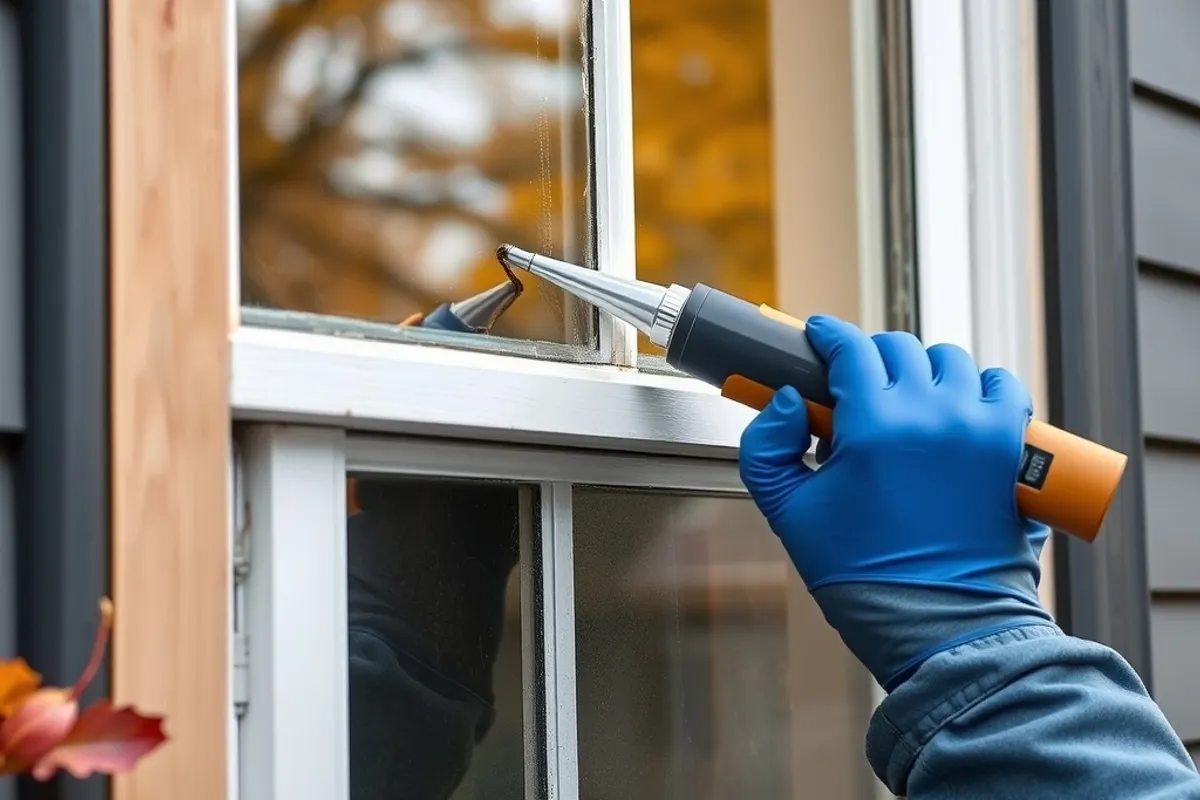
- Caulk and weatherstripping: inspect each fall
- Roof check: spring and fall, after major storms
Spring: Water and Exterior Damage
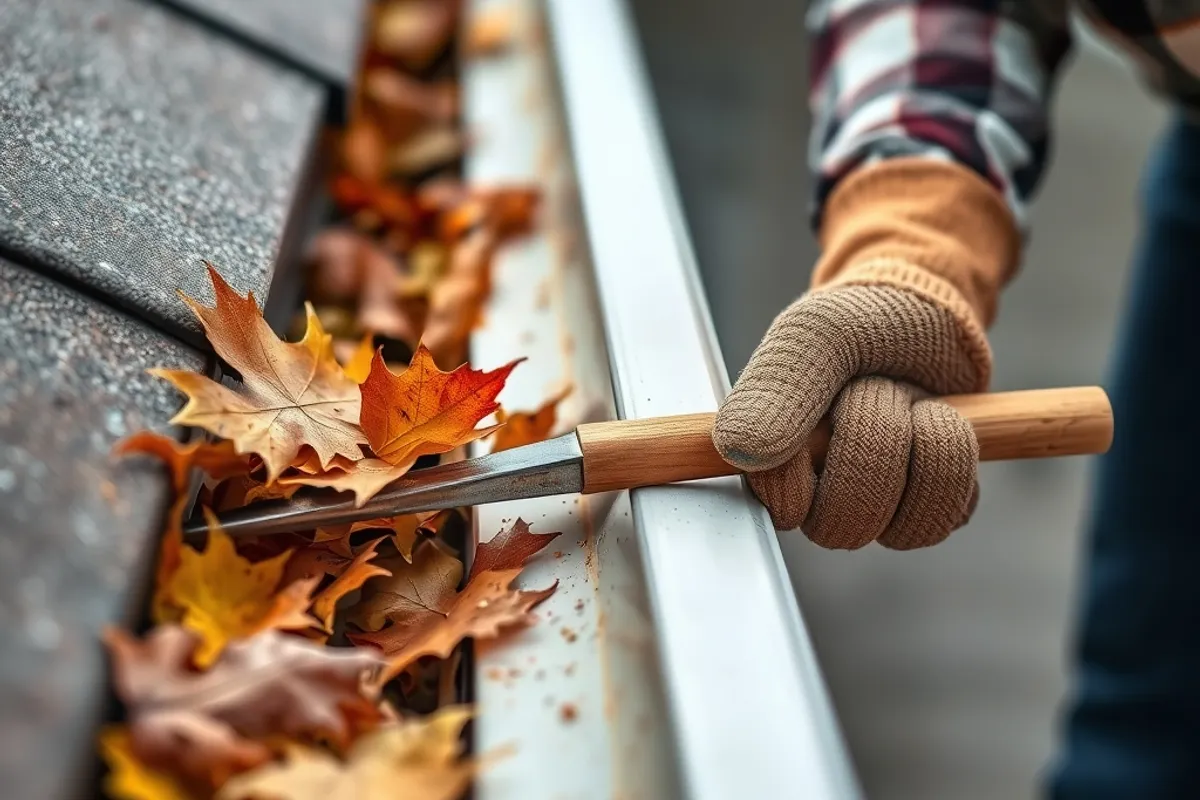
Walk the perimeter after the last freeze. Look for cracked caulk, damaged siding, loose gutters and soil that has settled against the foundation. Check the roof from the ground with binoculars; missing shingles and granules in the gutters are early warnings. Clear the gutters and confirm the downspouts carry water at least six feet from the house.
Test the sump pump by pouring a bucket of water into the pit. If it does not kick on, fix it before the first heavy rain. Service the air conditioning before the first hot week, when every technician is booked. Replace the HVAC filter and clean the outdoor condenser coils.
Summer: Heat, Pests and Outdoor Systems
Inspect the attic for heat damage, pest activity and blocked ventilation. Check the dryer vent for lint buildup; it is a common fire risk and an easy fix. Look at the deck for loose boards, popped nails and soft wood. Wash the exterior and reseal any wood that has dried out.
Water the foundation slowly during dry spells, especially on clay soil. A deep soak once a week is better than a daily sprinkle. Check irrigation heads for leaks and make sure sprinklers do not spray the siding. Trim trees and shrubs away from the roof and the walls.
Maintenance is just a list of small things done before they become emergencies.
Fall: The Most Important Season
Fall is when you prepare the house for cold. Clean the gutters after the leaves drop, not before. Seal cracks and gaps around windows, doors, pipes and the foundation. Install weatherstripping where you feel a draft. Have the furnace serviced and replace the filter.
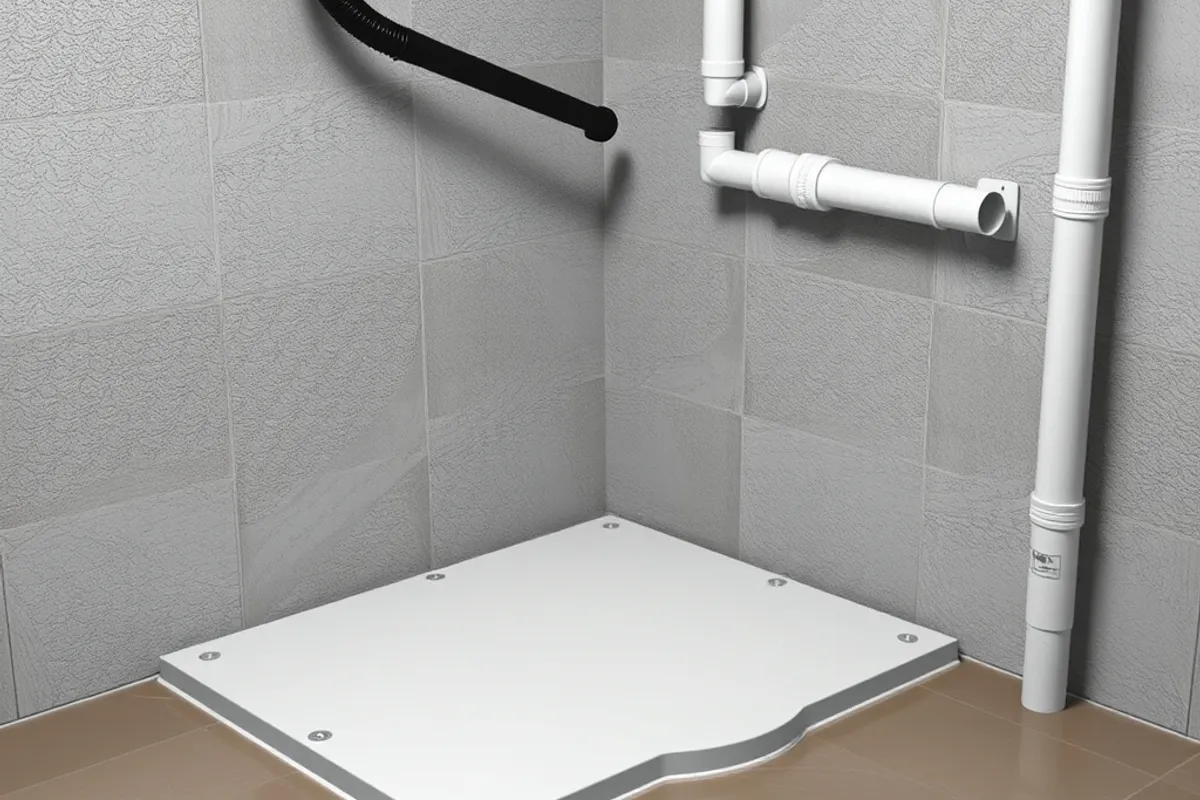
Drain and store garden hoses, shut off exterior faucets and blow out irrigation lines if you live in a freezing climate. Check the chimney and fireplace before the first fire. Test smoke and carbon monoxide detectors and replace the batteries. If you have a basement, clear the floor drain and test the sump pump again.
The federal weatherization guide explains which air-sealing jobs give the best return. Most of them are inexpensive and can be done in a weekend.
Winter: Freeze Protection and Indoor Air
Keep the thermostat at a steady temperature, even when you travel. Open cabinet doors under sinks on exterior walls during extreme cold so warm air reaches the pipes. Know where the main water shutoff is and label it. If a pipe freezes, shut off the water before thawing it.
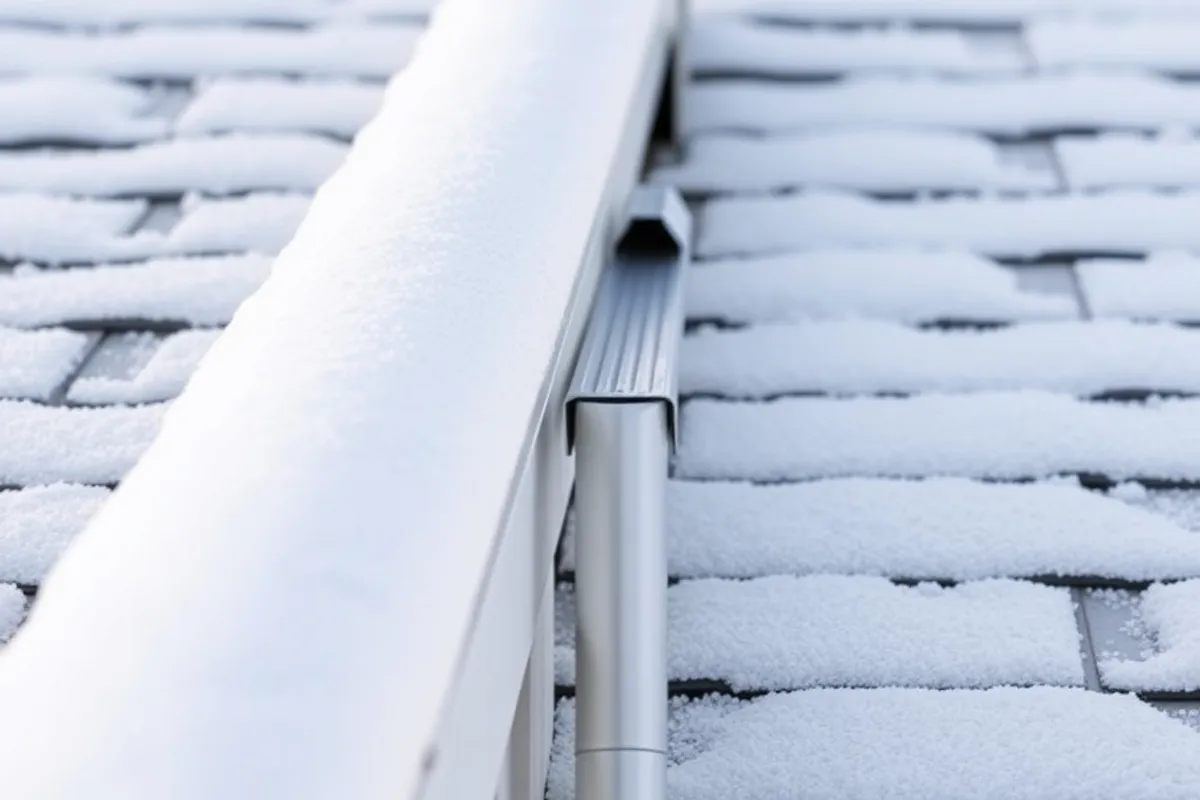
Watch for ice dams at the roof edge. They signal heat escaping into the attic and poor ventilation. Do not climb on a snowy roof; call a professional if water is entering the house. Check the basement and crawlspace for moisture, and keep snow away from foundation vents and direct-vent appliances.
Adjust the Checklist to Your Climate
A house in a hot, humid climate needs more attention to mold, pests and air conditioning. A house in a cold climate needs more attention to ice, snow load and heating. A coastal house needs roof, window and corrosion checks after every storm. Use the same four-season frame, but weight the tasks to your weather.
Keep a simple calendar with the recurring items: filters monthly, gutters twice a year, detectors monthly, roof twice a year, HVAC service annually. A spreadsheet or a paper list on the utility room wall both work. The point is to make the task visible before it becomes urgent.
When to Call a Professional
Call a licensed professional for gas, major electrical work, structural repairs, roof work above one story and anything involving the main sewer line. A good rule is simple: if a mistake could cause a fire, a flood or a collapse, hire it out. For everything else, a cautious homeowner with a ladder and a flashlight can handle the routine.
If you are preparing to sell, our appraisal prep guide explains which repairs actually affect the valuation. If water is already entering the basement, start with our basement water damage guide before the next storm. Seasonal maintenance is not glamorous, but it is the cheapest insurance a house can have.