An appraisal can kill a sale or save one. Lenders order it to confirm the house is worth the loan, and buyers use it to renegotiate. Sellers often treat it as a formality until a low number arrives. The truth is that appraisers work from evidence, and the seller controls more of that evidence than most people realize.
What the Appraiser Actually Does
The appraiser measures the home, walks the interior and exterior, notes condition and compares the property to recent sales nearby. The final report combines the sales comparison approach with adjustments for size, condition, lot and features. A typical single-family appraisal takes one to three hours on site and a few days to write.
The appraiser is not an inspector. They note visible condition and safety issues, but they do not test the furnace or crawl under the house. That is why a pre-listing inspection is useful: fix what an appraiser would flag before the report is written.
- Appraisal cost: $500 to $800, often paid by the buyer
- Turnaround: 3 to 10 business days in most markets
- Useful comps: sold within 6 months, within 1 mile
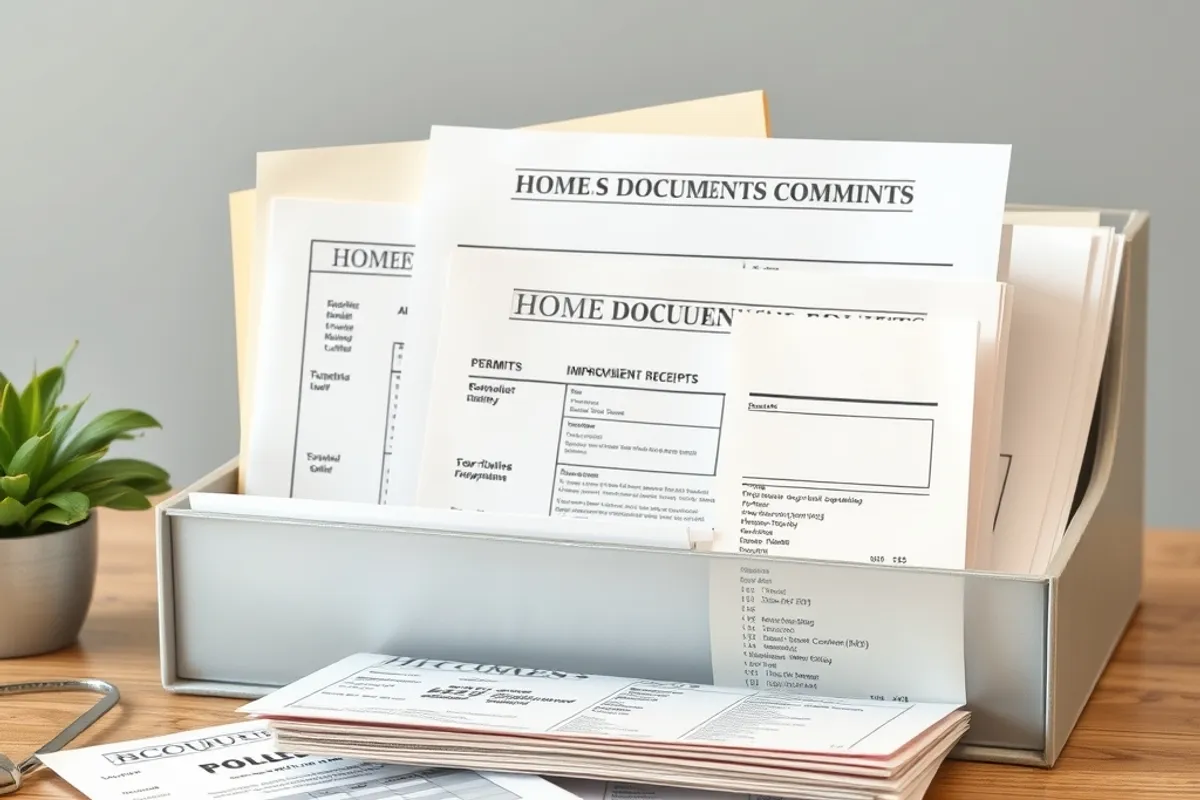
- Key documents: permits, surveys, improvement receipts
- Repairs that matter: roof, water intrusion, safety
Know Your Comparable Sales
Ask your agent for the three to five sales the appraiser is most likely to use. Look at closed sales, not active listings. Check the date, distance, square footage, lot size and condition. If your home has a finished basement or an addition, find comps with the same feature. An appraiser can only adjust so much for a difference.
Prepare a one-page summary of improvements with dates and costs. Include permits for structural work, a new roof, windows or a kitchen remodel. Receipts do not automatically raise the value, but they document that the work was done and help the appraiser support an adjustment in the report.
Fix the Small Things That Read as Neglect
Appraisers are trained to look for condition and safety. A missing handrail, a cracked window, a stained ceiling or a dangling outlet can signal deferred maintenance and pull the report toward a lower condition rating. None of these are expensive to fix, and all of them are cheaper before the appraisal than after a low number.
Repaint scuffed walls, replace burned-out bulbs, clear the walkway and fix the gate. Clean the gutters and make sure the downspouts carry water away from the foundation. These are cosmetic, but they change how the house is perceived in a thirty-minute visit.
The appraiser is not judging your taste. They are looking for reasons to justify the number they already suspect.
Prepare the Paper Trail
Leave a folder on the kitchen counter with the survey, floor plan, permits, warranty documents and a list of recent upgrades. Add the comparable sales your agent selected. A short cover page with the address, square footage and major improvements saves time and reduces errors.
If the home has an unusual feature, explain it. A detached studio, an accessible bathroom or a high-efficiency heating system may not be obvious in a quick walkthrough. A one-line note helps the appraiser value it correctly rather than ignoring it.
Curb Appeal and First Impressions
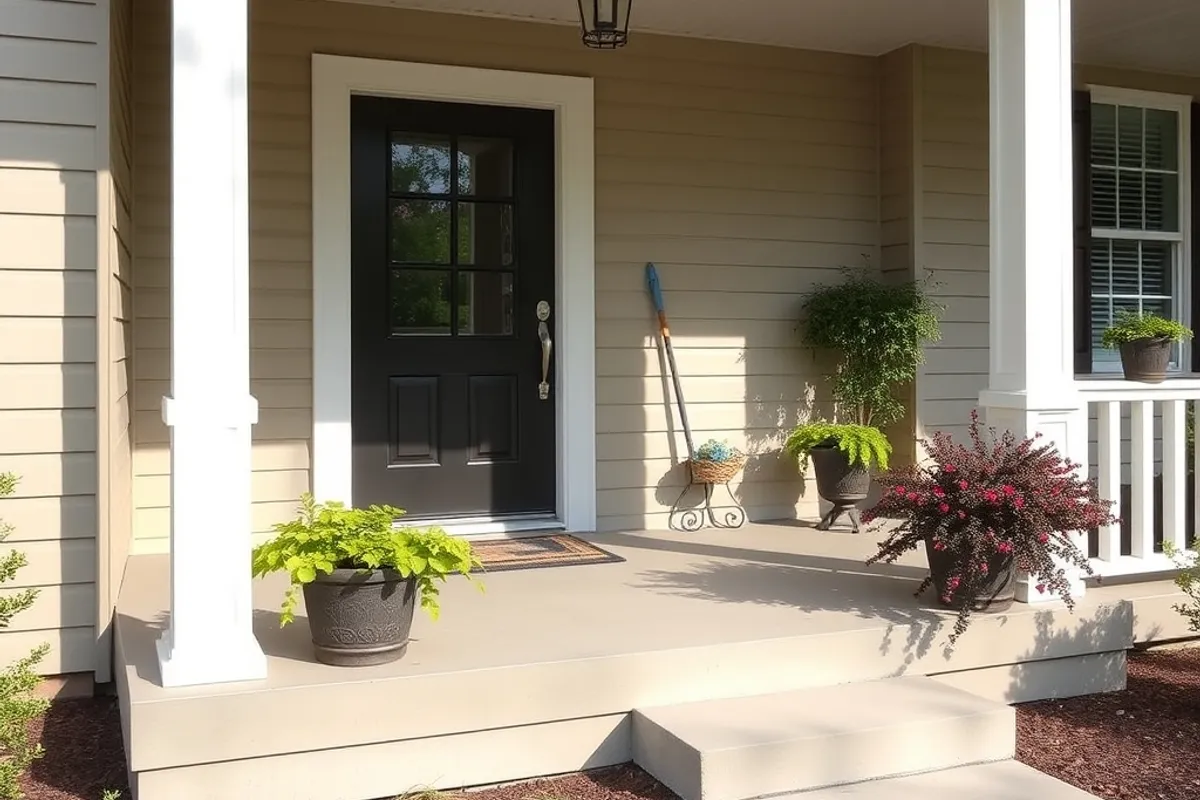
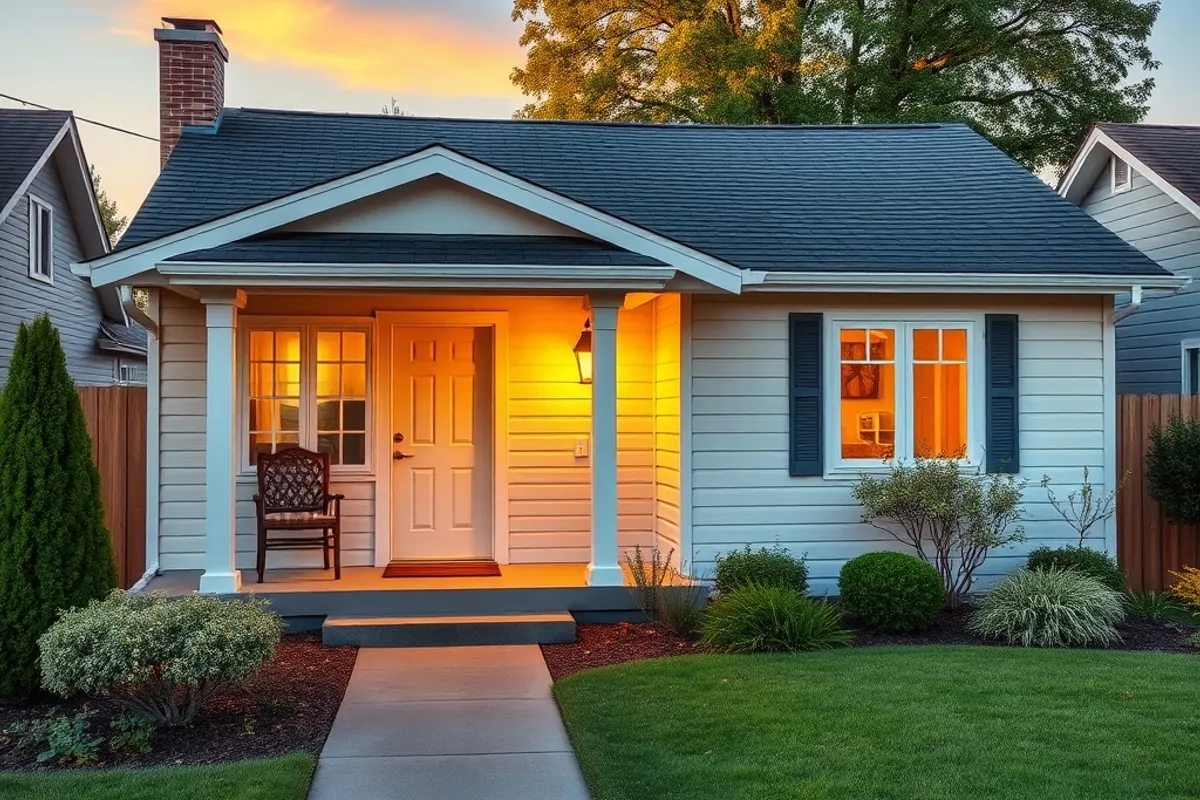
Mow the lawn, trim the shrubs and clear the porch. Wash the windows and put away the garden hose. The exterior is the first thing the appraiser sees, and it sets the condition baseline for everything inside. A tidy exterior does not add thousands of dollars, but a neglected one can cost them.
Inside, open the curtains and turn on the lights. Make sure every room is accessible, including the basement, attic and garage. If a room is locked or blocked, the appraiser may value the house as if that space does not exist. For a deeper seasonal routine, see our maintenance checklist.
If the Appraisal Comes in Low
A low appraisal is not the end of the deal. The buyer can pay the difference in cash, the seller can lower the price, or both sides can renegotiate. You can also request a reconsideration of value with specific comparable sales and documentation. The lender decides whether to accept it, and the process takes time.
Read the report carefully before reacting. Check the square footage, the condition rating and the comps used. Errors happen. If the appraiser missed a finished room or used a sale from the wrong neighborhood, point it out with evidence rather than opinion. For background on lending rules, the U.S. Department of Housing and Urban Development publishes buyer resources. If you are still shopping rather than selling, start with our first-home buying checklist so the financing and inspection steps are in order.
Most appraisals land close to the contract price because both sides prepared for them. Treat the visit as a presentation, not an interrogation. Clean, document and repair the obvious, and the report is more likely to support the number you agreed to.