A wet basement is rarely a mystery. The water usually comes from above: a gutter that overflows, a downspout that dumps beside the foundation, or soil that slopes toward the house. Fixing those three things costs a weekend and a few hundred dollars. Fixing the damage they cause costs thousands.
Find Where the Water Comes From
Walk the basement after a heavy rain and look for the source. Water at the base of a wall usually means an exterior drainage problem. Water at the floor drain can mean a rising water table or a blocked line. Condensation on pipes and walls looks like a leak but is humidity. A cheap hygrometer helps separate the two.
Check the exterior at the same time. Look for standing water, a downspout that ends at the wall, or a patio that slopes inward. Photograph the wet spots and the outside conditions together. That record will save time when you call a professional or file a claim.
- Downspout extensions: $10 to $30 each, 6 feet minimum
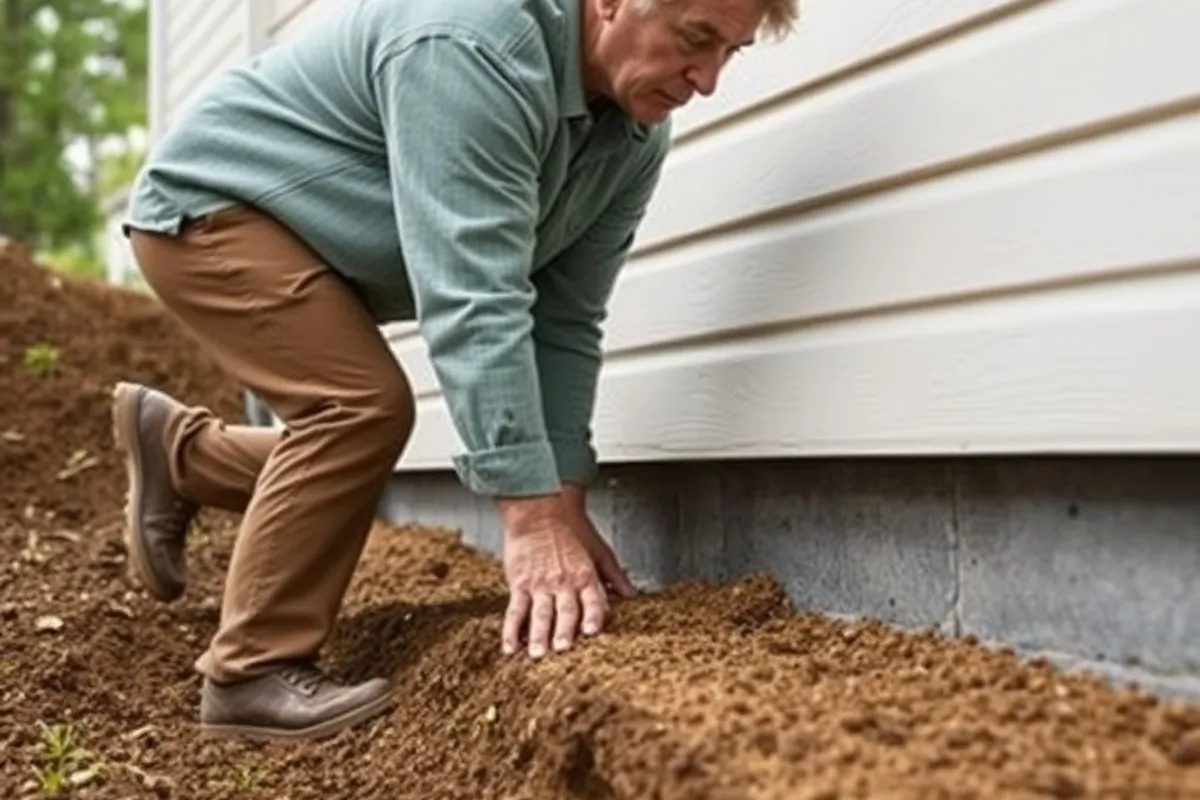
- Grading: a 6-inch drop over the first 10 feet
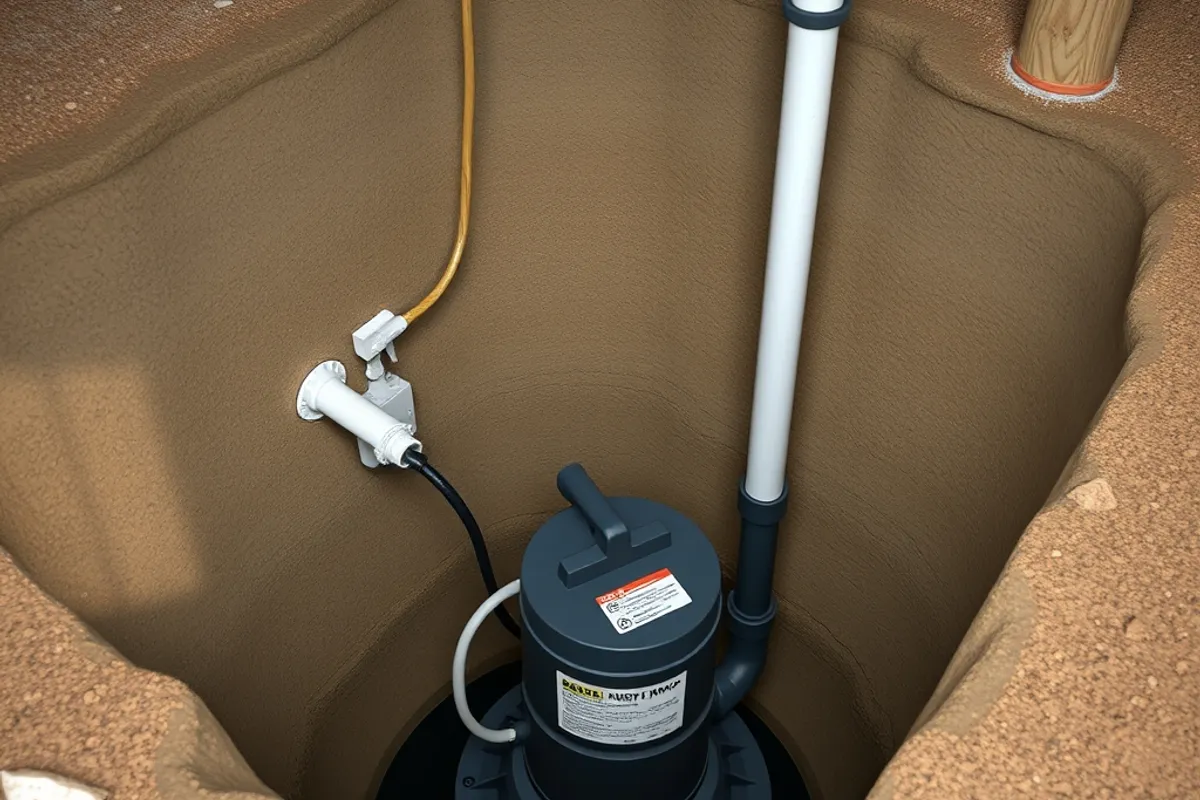
- Sump pump: $200 to $600, plus installation
- Crack seal: $300 to $800 for a small area
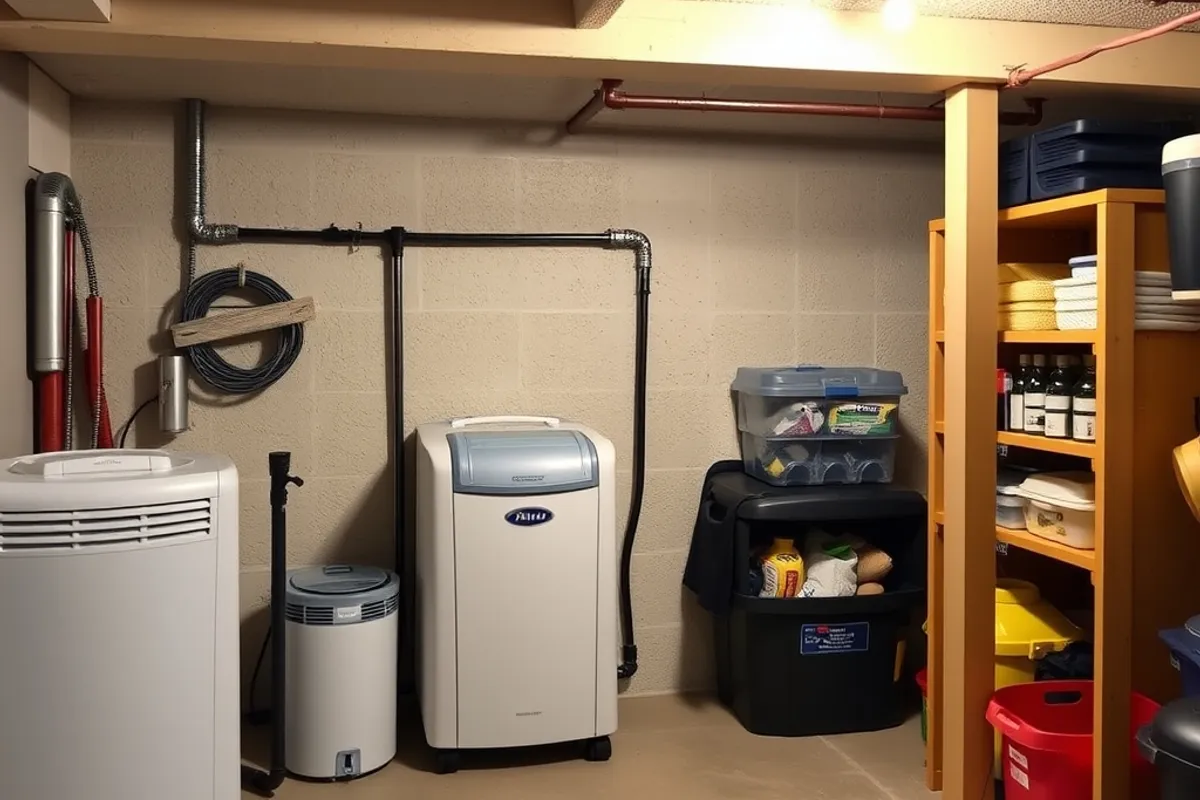
- Dehumidifier: $200 to $500, sized to the space
Start at the Roof and Gutters
Clean the gutters before the rainy season. A gutter full of leaves sends water over the edge and straight down the wall. Check that the gutter slopes toward the downspouts and that the seams are sealed. Add a mesh guard if trees are nearby, but clean it too; guards reduce the frequency, not the need.
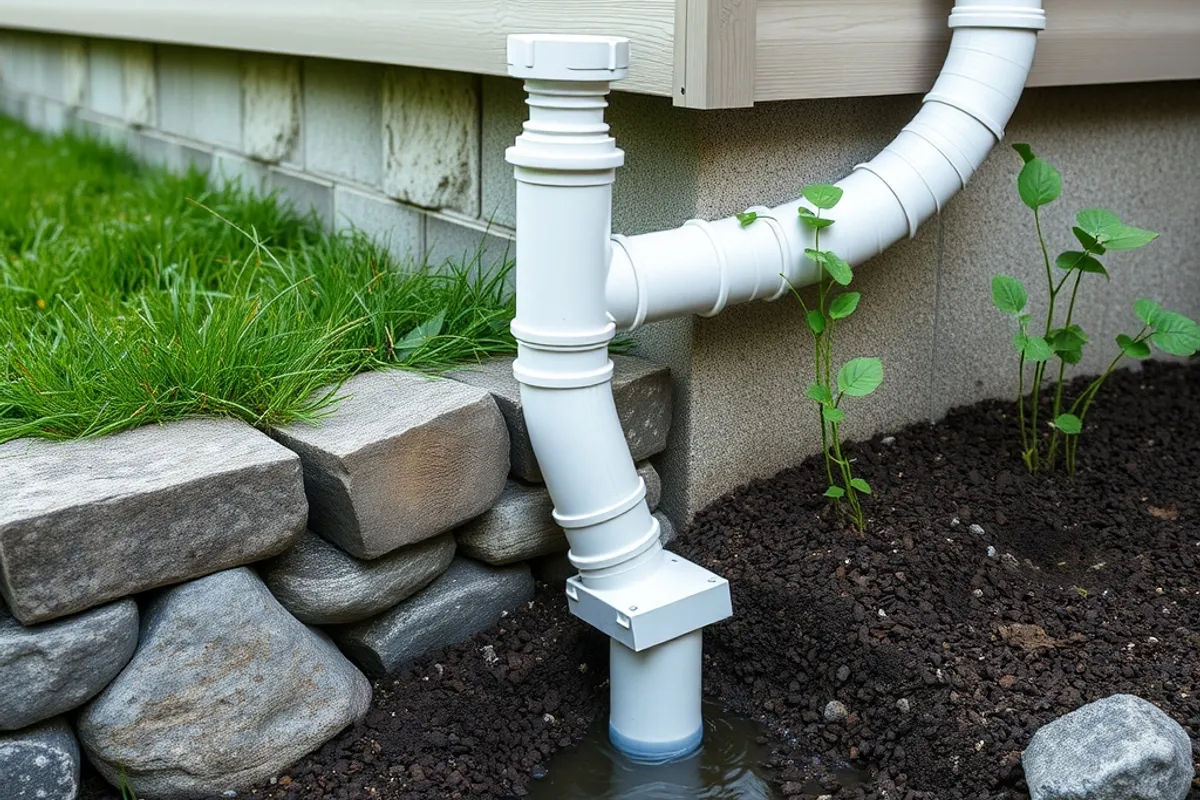
Extend every downspout at least six feet from the foundation. A splash block helps, but a solid extension is better. On a sloped lot, discharge the water into a dry well or a planted swale away from the house. Never connect a downspout to the sanitary sewer unless your municipality allows it.
Fix the Grade Around the Foundation
The ground should slope away from the house at about six inches over the first ten feet. Over time, soil settles and mulch piles up against the siding, reversing the slope. Add clean fill to restore the fall, and keep mulch at least six inches below the siding. Do not bury the foundation vents or the siding bottom edge.
Check patios, walkways and driveways for cracks that funnel water toward the wall. Seal the joints and lift any slab that has settled. In a wet climate, a shallow French drain along the uphill side can move water around the house instead of through it.
The best basement waterproofing happens outside, above the soil, and costs less than a new sump pump.
Seal Cracks and Penetrations
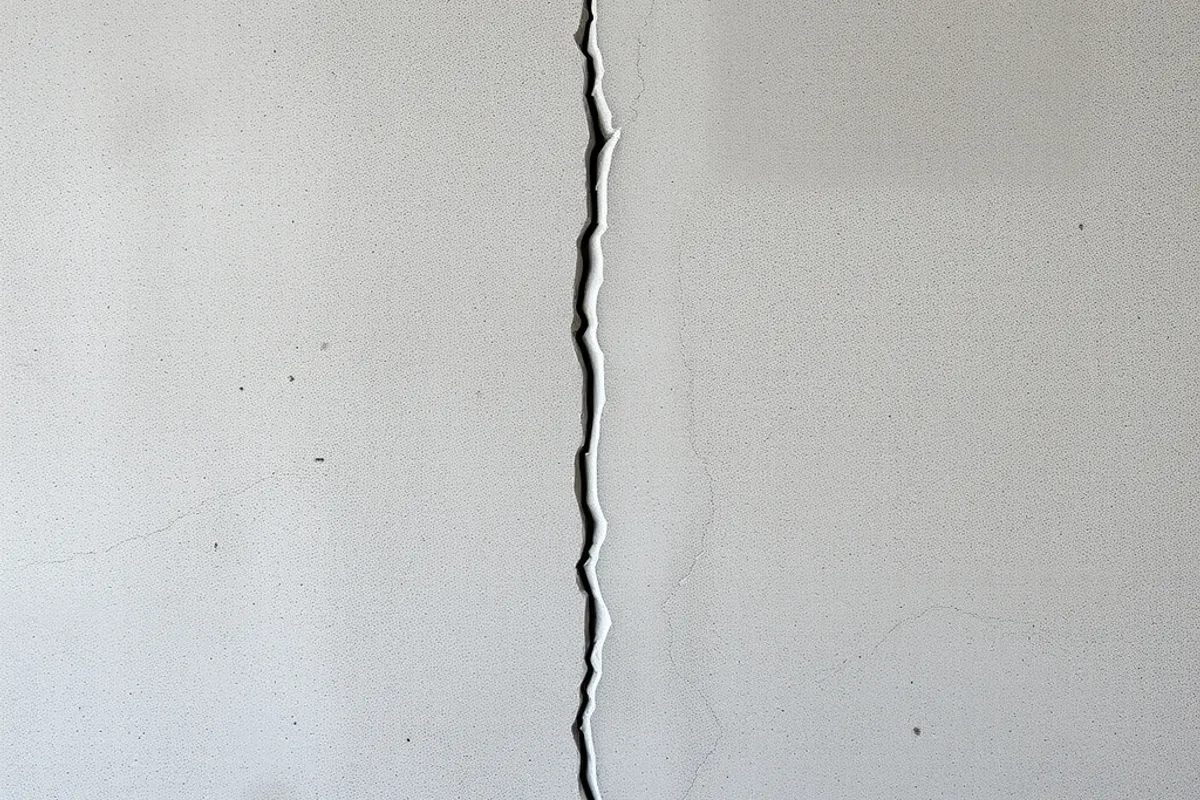
Hairline cracks in a poured foundation are normal and often cosmetic. If water seeps through, clean the crack and inject a polyurethane or epoxy sealant. Follow the manufacturer's instructions and do not seal the inside before fixing the outside drainage; trapped water will find another path.
Seal around pipes, wires and utility penetrations with a compatible sealant. Check the rim joist and the sill plate for gaps. In an older house, mortar joints in a block foundation may need repointing. If the wall is bowing or the crack is wider than a quarter inch, call a structural engineer before you fill anything.
Use the Sump Pump and Dehumidifier Correctly
Test the sump pump before the rainy season by pouring water into the pit. Clean the intake screen and check that the discharge line drains away from the foundation. A battery backup is worth the cost if the power fails during a storm, which is exactly when the pump matters most.
Run a dehumidifier in a damp basement and keep the humidity between 40 and 60 percent. Empty the bucket or route the drain to a floor drain. Do not finish a basement until the moisture source is fixed; paint and drywall will fail if water is still entering.
The U.S. Department of Homeland Security explains flood preparation and insurance at ready.gov. Standard homeowners insurance often excludes groundwater flooding, so check your policy before the season starts.
Know When to Call a Professional
Call a structural engineer for bowing walls, widening cracks or a floor that feels uneven. Call a drainage contractor if water pools regardless of grading, or if the sump runs constantly. Call a plumber if the water appears near a floor drain or a sewer line. A professional assessment costs a few hundred dollars and can save a foundation.
Keep the basement dry through the winter by combining the cheap fixes first: gutters, extensions, grading and sealing. Our seasonal maintenance checklist puts these tasks on a schedule so they do not get postponed. If a damp basement is already worrying a buyer or an appraiser, our appraisal prep guide explains which repairs affect the valuation and which can wait.
Water damage is patient. It returns every time it rains until the source is corrected. Fix the outside first, then the inside, and check the basement after every major storm. A dry basement is not luck; it is a short list of jobs done in the right order.