A kitchen remodel is the most expensive room project most homeowners will ever sign. It is also the one where small decisions carry the biggest price swing. The same footprint can cost $18,000 or $70,000 depending on cabinets, counters and how much plumbing moves. The difference is rarely quality alone. It is sequencing, patience and knowing which upgrades a buyer or a cook will actually notice.
What a Kitchen Remodel Really Costs in 2026
National averages hide a wide range. A cosmetic refresh with new paint, hardware and a sink lands near $12,000 to $18,000. A mid-range full remodel with new cabinets, counters and appliances runs $28,000 to $45,000. A gut renovation that moves walls and wiring starts around $60,000 and climbs quickly. Labor is roughly a third of the total in most markets, and skilled trades are still booked weeks out.
The numbers below assume a 150 to 200 square foot kitchen, a like-for-like layout and a homeowner who orders materials early. Add 15 to 20 percent for a major city, and subtract 10 percent in a slower rural market.
- Cabinets: $6,000 to $16,000 for mid-range stock or semi-custom
- Countertops: $2,500 to $7,000 installed, depending on stone
- Appliances: $3,000 to $8,000 for a full matching set
- Labor: $8,000 to $18,000 including demolition and installation
- Contingency: 15 percent of the total, held back in cash
Where the Money Goes
Cabinets eat the largest share, often 30 percent of the budget. Countertops take another 15 percent. Labor, plumbing, electrical and flooring divide the rest. Homeowners who blow the budget usually do it in one of two places: a custom cabinet order that grows with every meeting, or a layout change that forces new wiring and drain lines.
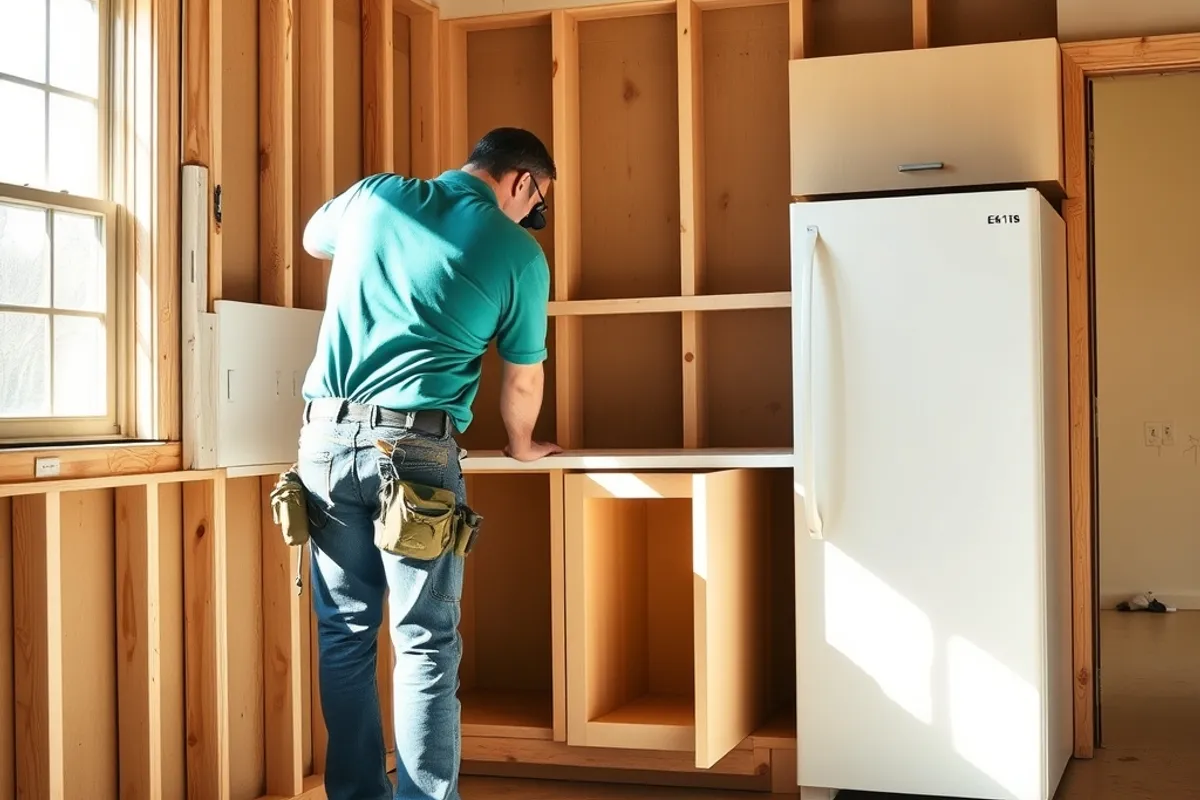
Start by deciding what stays. Keeping the sink, range and refrigerator in place can save $4,000 to $9,000 because plumbing, gas and heavy electrical work stay put. If the current layout works, spend that money on better doors and drawers instead. Soft-close hardware and full-extension slides cost a few hundred dollars and change how the kitchen feels every day.
Save on Cabinets Without Regret
Stock cabinets are not the same as cheap cabinets. A well-built plywood box with decent hinges will outlast a fancy door on a particleboard body. Look at the box first, then the finish. Ready-to-assemble units can save 20 to 30 percent if you are comfortable assembling them, but budget a weekend and a patient helper.
Refacing is the middle path. New doors and drawer fronts over sound boxes cost roughly half of replacement and take two days instead of two weeks. It works well when the boxes are square and the layout is fine. It does not fix water damage or a bad corner.
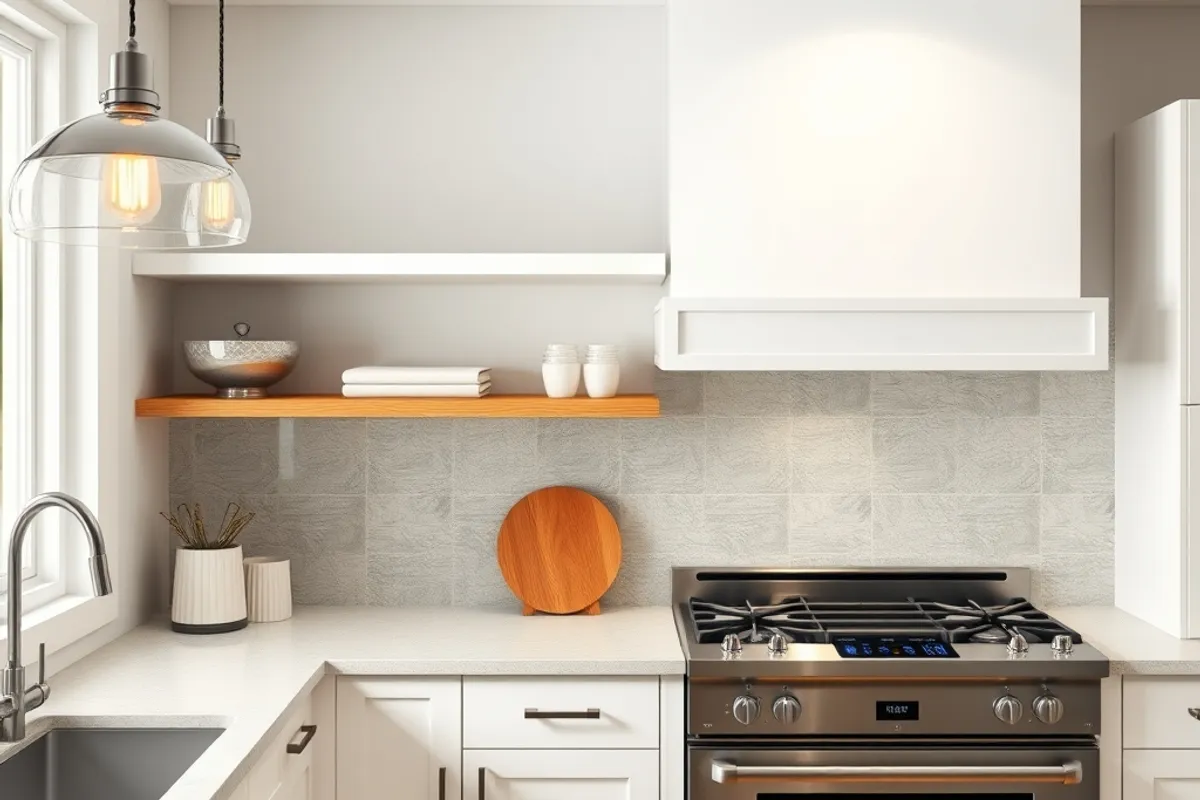
Skip the open shelving everywhere. It photographs well and collects grease. One open shelf is enough. Closed storage keeps the room calmer and hides the clutter that makes a small kitchen feel smaller.
Spend on the parts you touch every day. Save on the parts you only photograph once.
Countertops: Where to Spend and Where to Save
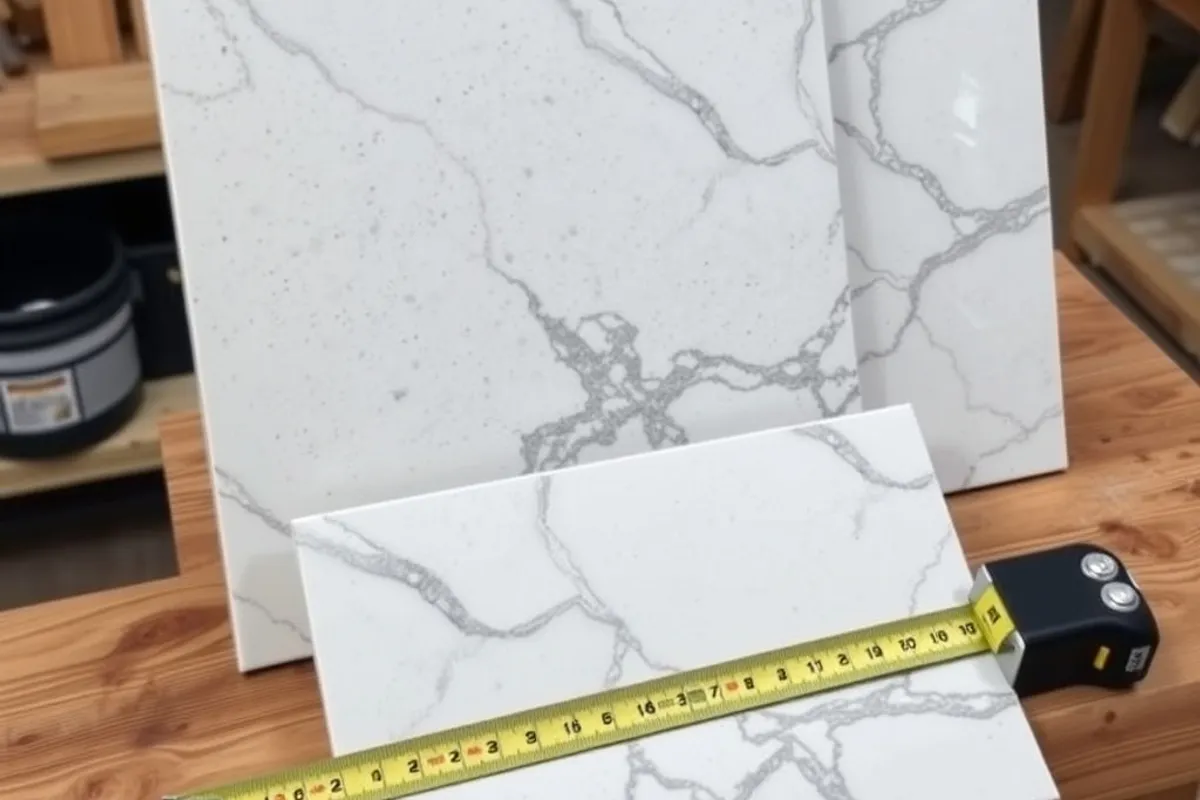
Quartz remains the default for busy kitchens because it resists stains and needs no sealing. Expect $55 to $95 per square foot installed in 2026. Granite is often cheaper at the low end but varies by slab. Laminate has improved enormously and now looks convincing at $25 to $45 installed, which makes it a sensible choice for a rental or a flip. Butcher block is warm and repairable but needs oiling.
Ask the fabricator for the remnant pile. A small island or a bathroom vanity can come from offcuts at a steep discount. Also confirm the quote includes template, cutouts, edge profile and delivery. Those extras can add $600 before the first slab is cut.
Appliances and Layout Choices
Appliance packages go on sale around major holidays and at the end of model years. Buying last year's finish can save 20 percent for the same motor and racks. Measure the opening twice, and confirm the door swing before you order. A refrigerator that fits the hole but not the walkway is an expensive mistake.
If you want to improve efficiency, the federal guidance at Energy Saver explains which upgrades pay back fastest. In most kitchens, LED lighting, a modern range hood and a right-sized refrigerator matter more than a premium brand badge. A dishwasher with a delay start also saves money if you use off-peak power.
Hiring and Scheduling
Get three bids, all based on the same written scope. A cheap bid that excludes demolition or permits is not a cheap bid. Ask who pulls the permit and who pays for the dumpster. Check that the crew carries insurance, and call two recent clients rather than reading only online reviews. Our guide to choosing a general contractor covers the questions that separate a pro from a talker.
Order long-lead items first. Cabinets often take six to ten weeks, and stone can take two more. A kitchen that waits for a cabinet door costs more in labor than one that starts with everything on site. Build a two-week buffer into the schedule and do not let the crew start demolition before the cabinets are confirmed.
A Realistic Budget Plan
Write the total you can afford, then subtract 15 percent immediately. That reserve is not optional. Old houses hide surprises behind every wall: aluminum wiring, a vented drain, or a floor that was never level. When the surprise appears, the reserve keeps the project moving instead of pausing for a loan.
Then split what remains into three buckets: 50 percent for fixed items, 30 percent for labor, and 20 percent for finishes and contingency. If the quotes do not fit, cut the finishes first and the footprint last. A smaller kitchen done properly beats a large one finished with the cheapest materials. And if the project grows into more than one room, read our whole-house renovation timeline before you sign anything.
Finally, keep a single spreadsheet with every quote, receipt and change order. Contractors respect a homeowner who can answer a question in one minute. The kitchen will be messy for a month, but the numbers do not have to be.